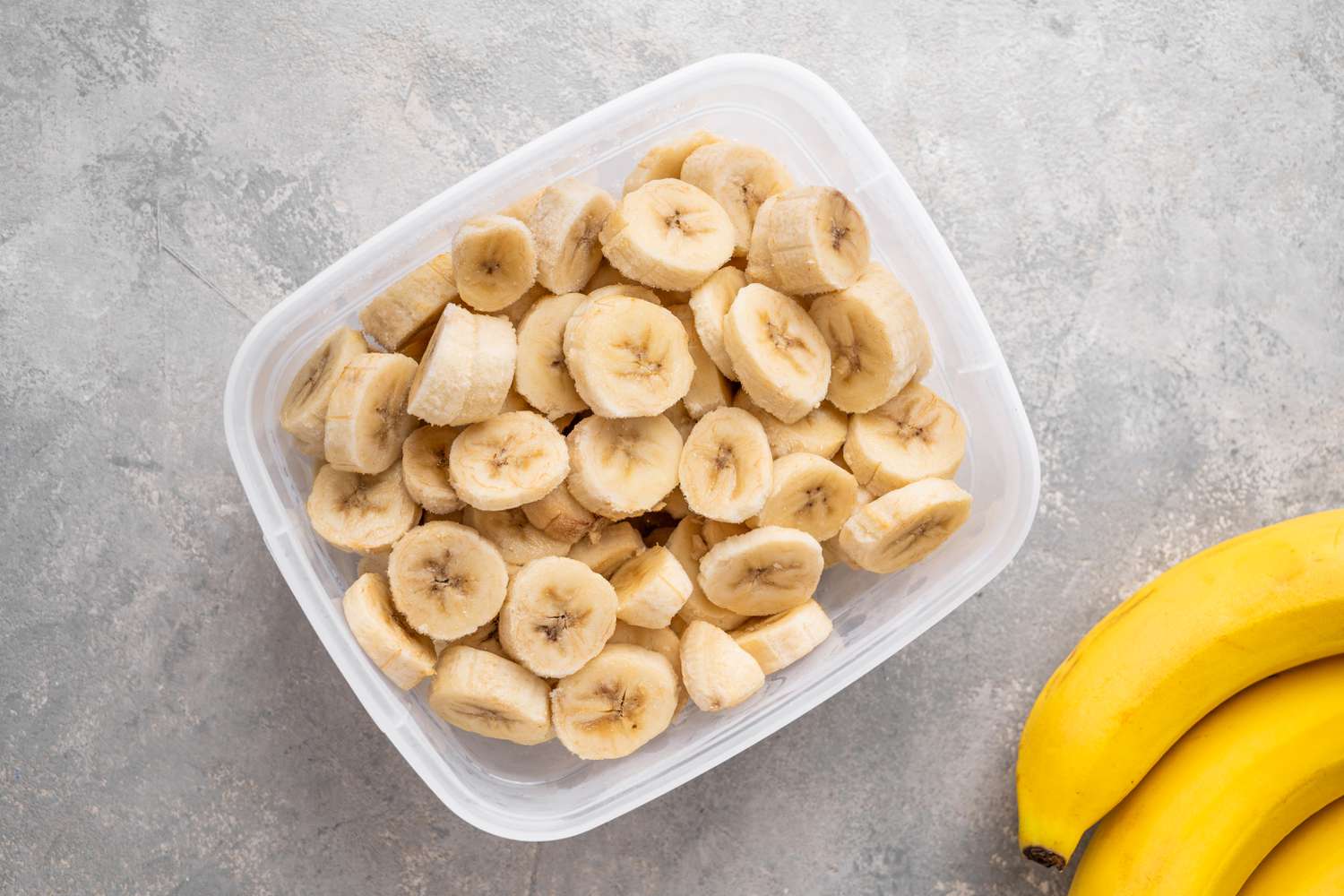
Don't Waste Ripe Bananas: Preserve Them by Freezing
Picture this: a bunch of perfectly ripe bananas, speckled with brown, sitting on your counter. You bought them with the best intentions – for smoothies, a healthy snack, or perhaps even a delicious banana bread. But life happens, and suddenly, they're looking a little too ripe, threatening to cross that line into mushy, forgotten fruit. Before you toss them, stop! There's a brilliant, simple solution that not only prevents food waste but also sets you up for future culinary delights: freezing.
Learning how to freeze bananas is a game-changer for any kitchen. It’s an incredibly effective way to extend their shelf life, lock in their sweetness, and transform them into a convenient ingredient for countless recipes. Whether you're a smoothie enthusiast, a budding baker, or simply someone who hates throwing away food, mastering this simple preservation technique will revolutionize your approach to ripe bananas.
Why Freezing Bananas Is a Kitchen Game-Changer
The benefits of freezing bananas extend far beyond simply preventing waste. It’s a smart move for efficiency, flavor, and economy.
- Waste Reduction: This is the most obvious and impactful benefit. Instead of tossing overripe bananas, you give them a new lease on life, contributing to a more sustainable kitchen.
- Convenience: Frozen bananas are pre-portioned and ready to go for quick smoothies, baking, or any recipe that calls for them. No more peeling and chopping on the fly when you're in a hurry.
- Enhanced Flavor & Texture: Freezing sweetens bananas even further as their starches convert to sugar. This intense sweetness and creamy texture are ideal for "nice cream," baked goods, and velvety smoothies.
- Cost Savings: You can buy bananas in bulk when they're on sale or freeze those you might otherwise discard, saving money in the long run.
- Perfect for Smoothies & Baking: Frozen bananas add a wonderful thickness and chill to smoothies without the need for ice, which can dilute flavor. For baking, they provide moisture and intense banana flavor.
Once you start freezing bananas, you’ll wonder how you ever managed without it. It truly transforms what could be a regrettable waste into a valuable, versatile ingredient.
The Ultimate Guide: How to Freeze Bananas Step-by-Step
Freezing bananas is incredibly straightforward, but a few simple steps ensure optimal quality and convenience. Let’s break down the process, so you can preserve your ripe bananas perfectly every time.
Choosing the Right Bananas for Freezing
The ideal bananas for freezing are those that are ripe, with plenty of brown spots on the skin. They should be soft to the touch but not completely mushy. This ripeness indicates peak sweetness, which will be locked in by the freezing process. Avoid freezing green or underripe bananas, as they won't develop the desired sweetness or creamy texture once frozen.
Preparing Bananas for Freezing: Peeled, Sliced, or Whole?
This is where your intended use comes into play. Most commonly, people freeze peeled, sliced bananas, but there are other options depending on your needs.
- Peeled and Sliced (Most Recommended):
- Peel: Remove the banana peel. This is crucial because trying to peel a frozen banana is a notoriously difficult task!
- Slice: Cut the bananas into uniform slices (about ½ to 1 inch thick). This makes them easier to portion, blend, and thaw.
- Flash Freeze: Arrange the slices in a single layer on a parchment paper-lined baking sheet or plate. Ensure they aren't touching each other to prevent them from sticking together.
- Freeze: Place the baking sheet in the freezer for 1-2 hours, or until the slices are solid. This "flash freezing" step is key to preventing a giant clump of frozen banana.
- Transfer & Store: Once solid, transfer the frozen banana slices to a freezer-safe bag (e.g., a sturdy resealable plastic bag or silicone bag) or an airtight container. Remove as much air as possible before sealing.
For more detailed instructions, including visual guides and specific tips for different uses, check out our companion article: How to Freeze Bananas: Easy Steps for Smoothies & Baking.
- Peeled and Whole:
- If you plan to use whole bananas (e.g., for mashing in banana bread), you can peel them and place them directly into a freezer bag. Again, remove air and seal tightly. Keep in mind they might stick together if multiple whole bananas are placed in one bag without flash freezing, but they can be separated by a quick whack on the counter.
- Unpeeled (Least Recommended):
- While technically possible, freezing bananas with their peels on makes them incredibly difficult to peel later. The peel turns black and becomes very sticky and fused to the fruit. Only opt for this if you absolutely have no time to peel, and be prepared for a messy thawing and peeling process.
The Freezing Process: Packaging for Longevity
Proper packaging is essential for preventing freezer burn and maintaining quality. After flash-freezing, transfer your banana pieces to:
- Freezer-Safe Bags: These are great for space-saving. Press out all excess air before sealing.
- Airtight Containers: Glass or sturdy plastic containers work well. Ensure they are specifically designed for freezer use to prevent cracking.
Label your bags or containers with the date, as frozen bananas are best used within 3-6 months for optimal flavor and texture, though they remain safe to eat for much longer.
Creative Ways to Use Your Frozen Bananas
Now that you know how to freeze bananas, let's explore the delicious possibilities that await!
Smoothies & Smoothie Bowls
This is arguably the most popular use for frozen bananas. Their creamy texture and natural sweetness create a thick, cold base for any smoothie without the need for ice. Simply add frozen banana slices to your blender with your favorite fruits, greens, protein powder, and liquid for a perfect blend.
Baking with Frozen Bananas
Frozen bananas are fantastic for baking. When thawed, they release more liquid and become incredibly easy to mash, adding moisture and intense banana flavor to:
- Banana Bread & Muffins: The classic choice! Thaw completely, drain any excess liquid if desired (though some prefer to keep it for moisture), and mash.
- Pancakes & Waffles: Add mashed frozen bananas to your batter for a delightful twist.
- Cookies: Incorporate into banana-oatmeal cookies for extra chewiness and flavor.
Homemade "Nice Cream"
A healthy, dairy-free alternative to ice cream! Simply blend frozen banana chunks in a high-speed blender or food processor until completely smooth and creamy. Add a splash of plant-based milk if needed, along with cocoa powder, peanut butter, or other fruits for endless flavor combinations. Serve immediately.
Healthy Snacks & Treats
- Chocolate-Dipped Bananas: Freeze whole peeled bananas or large pieces, then dip them in melted chocolate and sprinkle with nuts or sprinkles for a fun, frosty treat.
- Banana "Soft Serve": Similar to nice cream, but often blended with just a tiny bit of liquid or enjoyed slightly thawed as a simple, sweet snack.
Expert Tips for Longevity and Quality
While freezing bananas is simple, a few expert tips can ensure you get the best results every time.
Storage Tips for Maximum Freshness
- Remove Air: The enemy of frozen food is air. For freezer bags, squeeze out as much air as possible before sealing. For containers, ensure they are full to minimize air pockets.
- Avoid Freezer Burn: Freezer burn occurs when food is exposed to air, leading to dehydration and flavor loss. Proper packaging (airtight, robust materials) is key.
- Rotate Stock: Use older frozen bananas first. Labeling with the date will help you keep track.
Thawing Advice
Most uses for frozen bananas (like smoothies or nice cream) don't require thawing. However, if you're baking:
- Room Temperature: Place frozen bananas in a bowl on the counter for a few hours.
- Refrigerator: Thaw overnight in the fridge. This is ideal if you need them thawed but won't be using them immediately.
- Microwave (Quick Thaw): Use the defrost setting in short bursts, checking frequently to avoid cooking them.
Expect thawed bananas to be very soft and watery. This is normal and perfect for mashing! For more in-depth advice on preparation and storage, consult our guide on Expert Tips for Freezing Bananas Perfectly Every Time.
What NOT to Do
- Don't Freeze Green Bananas: They won't ripen or sweeten properly in the freezer.
- Don't Refreeze Thawed Bananas: Once thawed, use them. Refreezing can alter texture and quality.
- Don't Forget to Peel: Seriously, don't! It will save you a lot of frustration later.
Conclusion
Freezing ripe bananas is a simple yet incredibly effective kitchen hack that every home cook should master. Not only does it significantly reduce food waste, but it also provides a convenient, naturally sweet, and versatile ingredient ready for a myriad of delicious uses, from thick, creamy smoothies to moist, flavorful banana bread. By following these easy steps on how to freeze bananas – choosing the right ripeness, peeling and slicing them before flash-freezing, and storing them properly – you'll unlock a world of culinary possibilities and ensure that not a single ripe banana goes to waste. So next time you see those brown spots appearing, don't despair – celebrate! You're just a few steps away from transforming them into future delights.
