How to Freeze Bananas: Easy Steps for Smoothies & Baking
Got a bunch of ripe bananas sitting on your counter, slowly turning brown? Don't let them go to waste! Freezing bananas is one of the smartest kitchen hacks for meal prep, reducing food waste, and ensuring you always have a key ingredient ready for your next healthy smoothie or batch of comforting banana bread. Learning how to freeze bananas properly can save you time, money, and help you whip up delicious treats on demand. This comprehensive guide will walk you through everything you need to know, from choosing the right ripeness to perfect storage techniques, ensuring your frozen bananas are always ready for action.Why Freeze Bananas? Unlocking Convenience and Reducing Waste
Freezing bananas is a game-changer for several reasons. Firstly, it's an excellent way to prevent food waste. Bananas ripen quickly, and if you can't eat them all before they turn too soft, freezing offers a perfect solution. This simple act of preservation ensures that perfectly good produce doesn't end up in the bin. In fact, many people intentionally buy extra bananas just to freeze them, specifically for their preferred uses. You can learn even more advanced techniques in our Expert Tips for Freezing Bananas Perfectly Every Time article. Beyond waste reduction, frozen bananas bring unparalleled convenience to your kitchen.- Smoothie Superstars: Frozen banana slices add a creamy texture and natural sweetness to smoothies without the need for ice, which can dilute flavor.
- Baking Bliss: Overripe, thawed bananas are ideal for baking. Their concentrated sweetness and moist texture make them perfect for banana bread, muffins, and cakes.
- Healthy Treats: Blend frozen bananas for instant "nice cream" – a dairy-free, one-ingredient ice cream alternative.
- Cost-Effective: Buy bananas in bulk when they're on sale, knowing you can freeze any extras for later use.
The Essential Steps: How to Freeze Bananas Perfectly
Freezing bananas is straightforward, but a few key steps will ensure they freeze well and are easy to use later. Follow this method for the best results:Step 1: Choose the Right Bananas
As mentioned, aim for ripe bananas. Look for peels with brown spots or even significant browning. While green or yellow bananas can be frozen, they won't have the same sweetness or flavor development as ripe ones, which is usually the main reason people freeze them for smoothies and baking. The riper they are, the sweeter and more banana-flavored your end product will be.
Step 2: Peel or Not to Peel? (Peel Them!)
Always peel your bananas before freezing. While it might seem convenient to freeze them whole with the peel on, it creates a significant hassle later. The peel becomes very difficult to remove once frozen, often sticking stubbornly to the fruit and requiring thawing before you can even get to the banana itself. Save yourself the future struggle and peel them first.
Step 3: Slice, Mash, or Keep Whole? Prep According to Your Use
How you prepare your bananas before freezing depends entirely on how you intend to use them. Consider your most common uses:
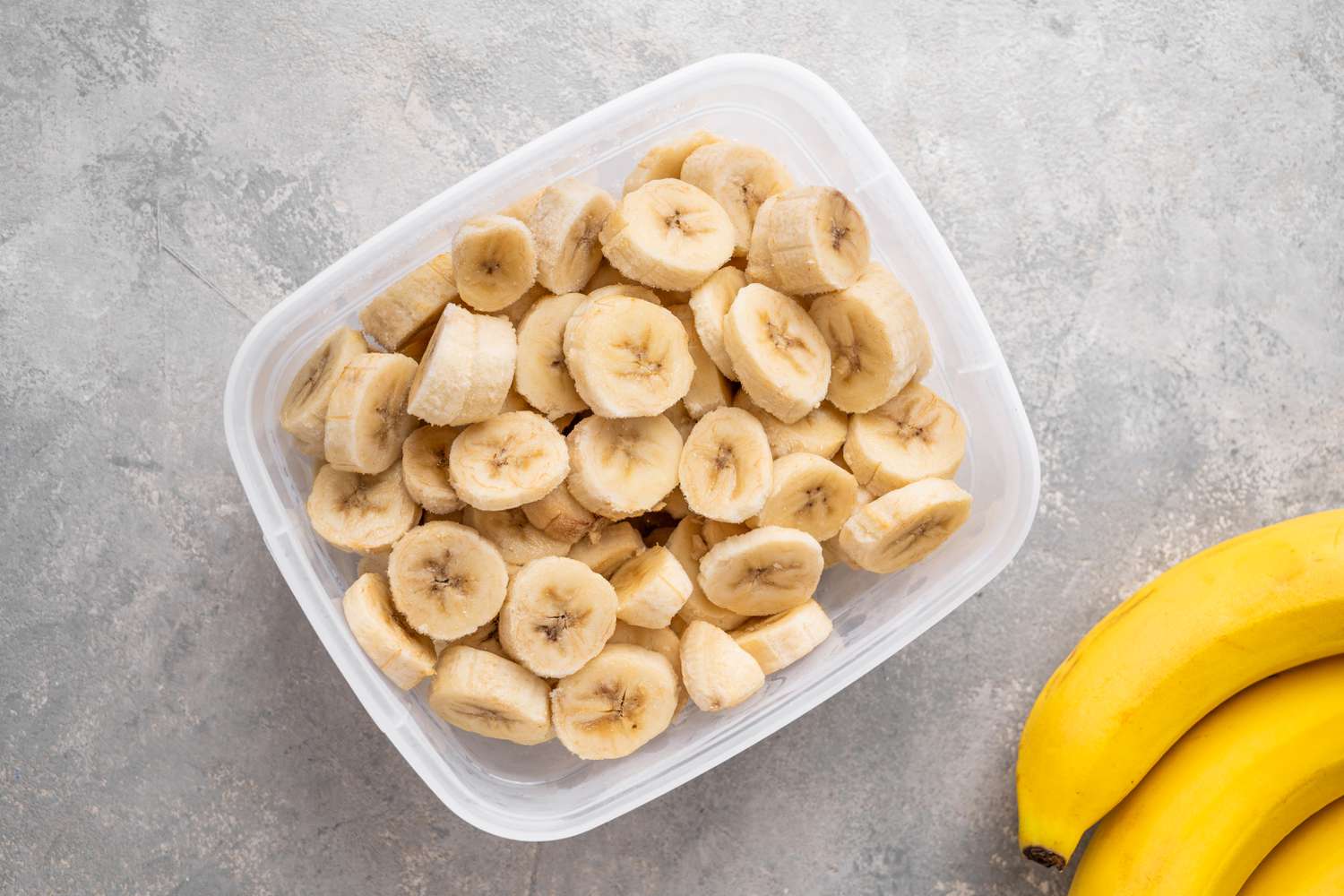
- For Smoothies: Slice the peeled bananas into ½ to 1-inch thick rounds. This size is perfect for blending and ensures quick freezing and thawing (if needed).
- For Baking: If you know you'll be making banana bread or muffins, mash the ripe bananas thoroughly with a fork before freezing. You can even add a tablespoon of lemon juice per cup of mashed banana to help prevent browning, though it's not strictly necessary if you don't mind a slightly darker color. Portion the mashed banana into freezer-safe bags or containers in the amounts your recipes typically call for (e.g., ½ cup, 1 cup).
- For "Nice Cream" or General Use: Slicing is usually the most versatile option, as slices can be easily blended for "nice cream" or thawed for various recipes.
- Keep Whole (Less Recommended): While you *can* freeze whole, peeled bananas, they take up more freezer space and are harder to work with directly from frozen. They'll also take longer to thaw. Slicing offers far more flexibility.
Step 4: Flash Freezing (The Golden Rule)
This step is crucial for preventing your banana slices from clumping together into one giant frozen block. Flash freezing ensures each piece freezes individually, making it easy to grab just the amount you need.
- Line a baking sheet with parchment paper or a silicone mat.
- Arrange your banana slices (or mashed portions, if applicable) in a single layer, ensuring they don't touch each other.
- Place the baking sheet in the freezer for 1-2 hours, or until the banana pieces are solid.
Step 5: Package for Long-Term Storage
Once the bananas are individually frozen, transfer them from the baking sheet into airtight freezer-safe bags or containers. This prevents freezer burn, which can affect the texture and flavor of the bananas. If using bags, try to remove as much air as possible before sealing (you can use a straw to suck out air, or simply press it out). Label the bags or containers with the date so you know how long they've been stored.
Using Your Frozen Bananas: Smoothies, Baking, & Beyond
Now that you've mastered how to freeze bananas, let's explore the best ways to put them to good use!For Irresistible Smoothies
This is arguably the most popular use for frozen bananas. Simply add your flash-frozen banana slices directly to your blender along with other fruits, greens, liquid (milk, water, juice), and any protein powders or supplements. Because they are frozen, they contribute to a wonderfully thick, cold, and creamy smoothie without the need for ice, which can dilute the flavor. No thawing required!
For Delicious Baked Goods
If you froze mashed bananas, simply remove them from the freezer and let them thaw in the refrigerator overnight or on the counter for a few hours. Once thawed, they might appear a bit darker and release some liquid; this is normal. Stir them well before incorporating them into your favorite banana bread, muffin, or pancake batter. If you froze slices for baking, you'll need to thaw and mash them before use.
Pro Tip: Thawed bananas are often even more liquidy than fresh ripe bananas, which can sometimes affect the moisture content of your baked goods. If your recipe seems too wet, you might slightly reduce other liquids, or add a tablespoon or two of flour.
Other Creative Uses
- "Nice Cream": Blend frozen banana slices in a food processor or high-speed blender until smooth and creamy for a healthy, dairy-free soft-serve. Add cocoa powder, peanut butter, or other fruits for flavor variations.
- Dessert Topping: Thawed and mashed frozen bananas can be a healthy sweetener or base for fruit purees to top pancakes, oatmeal, or yogurt.
- Popsicles: Blend frozen bananas with other fruits and a splash of juice, then pour into popsicle molds for a refreshing treat.
Storage Tips & Troubleshooting Common Issues
Proper storage is key to extending the life of your frozen bananas and ensuring they remain delicious.- Shelf Life: Frozen bananas, when stored correctly in airtight containers or bags, can last for 6-8 months in the freezer. While they might still be safe to eat beyond this, their quality (flavor and texture) may start to degrade.
- Preventing Freezer Burn: The main enemy of frozen foods is freezer burn, which occurs when food is exposed to air, leading to dehydration and crystallization. Always use freezer-safe packaging, remove as much air as possible, and ensure a tight seal.
- Why Do They Turn Brown? Bananas naturally oxidize when exposed to air, which causes them to turn brown. This browning is accelerated after freezing and thawing due to cell wall breakdown. While adding a bit of lemon juice can help, a slightly darker color is completely normal and doesn't indicate spoilage. The flavor is still excellent.
- Thawing Too Quickly: If you need to thaw bananas quickly, place the sealed bag or container in a bowl of cold water for 15-30 minutes. Avoid hot water, which can cook the bananas unevenly.
Don't ever let ripe bananas go to waste again! For more insights into preserving your produce, check out our guide on Don't Waste Ripe Bananas: Preserve Them by Freezing.
